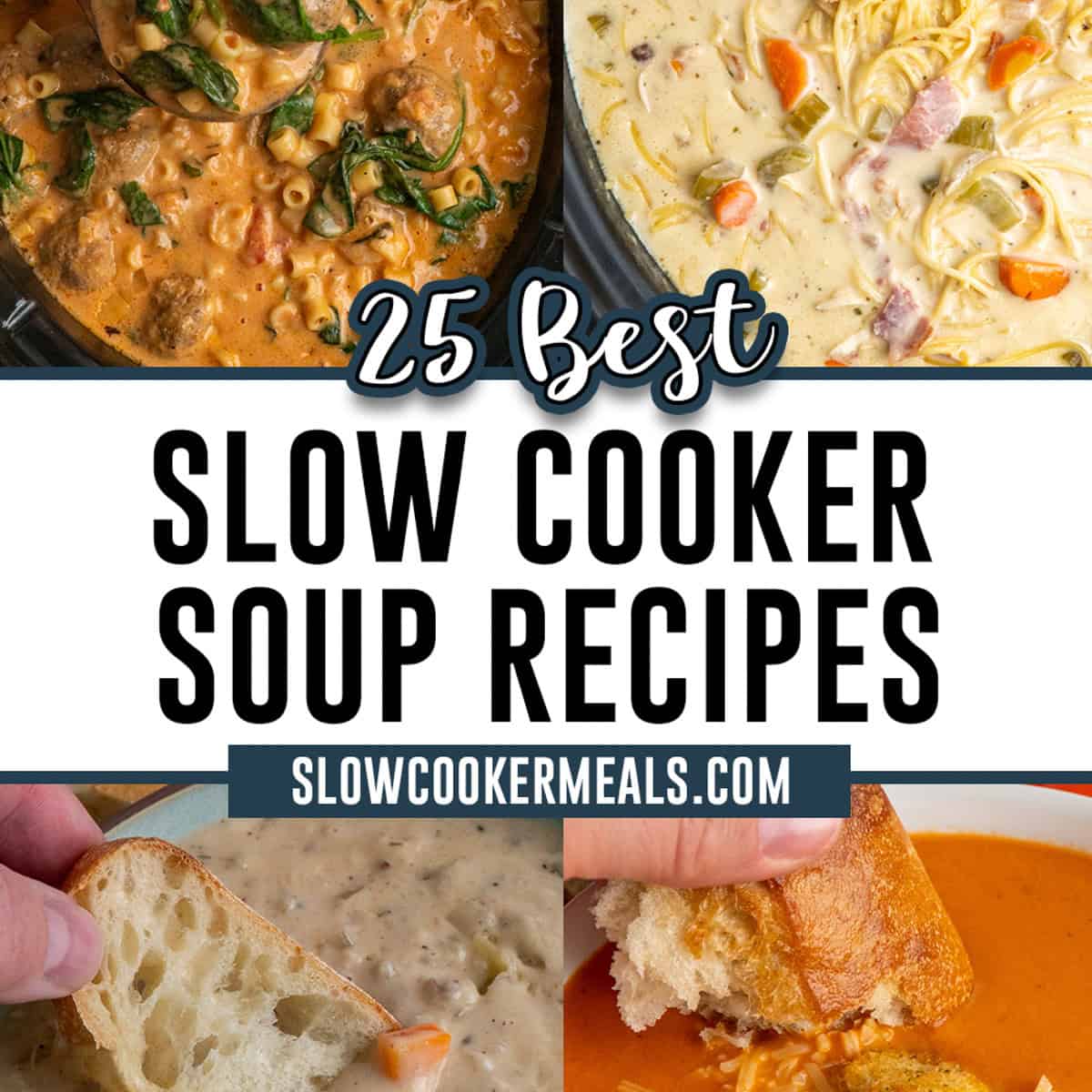
Freeze-Friendly Slow Cooker Soups: Prep Ahead for Any Craving
In our increasingly busy lives, the dream of a homemade, comforting meal often feels out of reach. We crave the warmth of a hearty soup, rich with flavor and made with love, but lack the time for endless simmering on the stovetop. This is where the magic of slow cooker soup recipes steps in, offering a hands-off solution that delivers incredible taste with minimal effort. Even better, many of these culinary creations are perfectly suited for meal prepping and freezing, allowing you to stock your freezer with deliciousness for those days when a craving strikes or time is simply not on your side.
Whether it's a chilly winter evening, a busy weeknight, or even a surprisingly cool summer day, a slow cooker soup can be the ultimate comforting embrace. From classic chicken variations to robust vegetable concoctions and unique, hearty options, the versatility is astounding. Imagine coming home to the aroma of a slow-cooked meal, ready to be enjoyed with little more than a ladle and a bowl. This article will guide you through the essentials of crafting perfect slow cooker soups, highlight some irresistible recipes, and show you how to leverage their freezer-friendly nature to simplify your meal planning.
Mastering Your Slow Cooker: Essential Tips for Soup Success
While slow cookers are renowned for their simplicity, a few key guidelines can elevate your soup game from good to extraordinary. Understanding these principles ensures consistent results, optimal flavor, and food safety every time you use your trusty appliance. For even more detailed insights, check out our guide on Slow Cooker Soup Success: Essential Tips for Perfect Meals.
Liquid Levels: The Golden Rule
One of the most crucial aspects of slow cooker soup is managing the liquid. Unlike stovetop cooking where evaporation is significant, slow cookers retain most of the moisture. A good starting point is around 1 to 1¼ cups of liquid per quart of your slow cooker's capacity. This prevents your soup from becoming too watery or overflowing. Remember, you can always add more liquid later if needed, but it's impossible to take it away once it's incorporated. Starting with a flavorful broth or stock rather than just water will also significantly enhance the depth of your soup.
Timing is Everything: Ingredients and Cook Times
The cooking duration for your slow cooker soup largely depends on its ingredients. As a general rule of thumb:
- Heartier Meats & Root Vegetables: If your recipe includes tougher cuts like chicken thighs, beef stew meat, or fibrous root vegetables like carrots, potatoes, or parsnips, expect cooking times of approximately 6-8 hours on low or 3-4 hours on high. These ingredients benefit from long, slow cooking to become tender and flavorful.
- Softer Veggies & Pre-Cooked Meats: For ingredients like bell peppers, zucchini, mushrooms, or pre-cooked meats (like ground beef or shredded chicken), the cooking time will be shorter. These can become mushy if overcooked, so consider adding them later in the cooking process or adjusting the overall time.
The Art of Adding Dairy and Thickeners
Dairy products like cream, milk, or cream cheese, and thickening agents such as cornstarch slurries or flour pastes, should never be added at the beginning of the slow cooking process. High heat and extended cooking can cause dairy to curdle, resulting in a grainy, unappetizing texture. For the best results, incorporate these ingredients during the last 15-30 minutes of cooking time. For a cornstarch slurry, mix equal parts cornstarch and cold water until smooth before stirring into the hot soup. Cheeses, too, should be added near the end, allowing them just enough time to melt and blend.
Starches: Pasta, Gnocchi, and Rice
Adding starches directly to the slow cooker for the entire cooking duration is a recipe for mushy disappointment. Pasta, rice, and gnocchi will absorb too much liquid and break down, affecting both texture and consistency. It's highly recommended to cook these items separately and add them to individual bowls of soup just before serving. If you insist on adding them to the slow cooker, do so only during the final 20-30 minutes of cooking, ensuring they're just tender. Recipes like a Slow Cooker Chicken Gnocchi Soup are designed with this in mind, often instructing a late addition of the gnocchi.
Food Safety First
Always prioritize food safety when using your slow cooker. Ensure your food's internal temperature remains above 140 degrees F to prevent bacterial growth. Never start poultry from frozen unless the recipe specifically states otherwise, as it can spend too much time in the "danger zone" (between 40 and 140 degrees F). Avoid keeping raw meat in the warm zone, and always use a food thermometer if you're unsure about doneness.
Dive into Deliciousness: Irresistible Slow Cooker Soup Recipes
The variety of slow cooker soup recipes is truly impressive, catering to every palate and dietary preference. These hands-off meals are perfect for Effortless Slow Cooker Soups: Hands-Off Family Dinners, allowing you to enjoy quality time while dinner practically makes itself.
Comforting Slow Cooker Chicken Soups
Few things rival the soul-soothing power of a delicious chicken soup. The slow cooker transforms humble ingredients into rich, comforting broths with tender chicken.
- Crock Pot Chicken and Rice Soup: This classic is the epitome of comfort. Featuring juicy chicken, aromatic vegetables, and perfectly cooked rice (when added at the right time!), it’s a wholesome, broth-based soup that’s also incredibly freezer-friendly. The key is seasoning the broth just right and ensuring the rice maintains its soft yet distinct texture.
- Crock Pot Chicken Tortilla Soup: A fantastic alternative to your usual taco night, this vibrant, tomato-based soup is bursting with the flavors of seasoned chicken, beans, corn, and spices. It's hearty, satisfying, and perfect for loading up with your favorite tortilla soup toppings like avocado, sour cream, and tortilla strips.
- Crock Pot Chicken Noodle Soup: The ultimate remedy for a cold day or feeling under the weather. While the noodles are best added separately, the slow cooker excels at developing a rich, flavorful broth and meltingly tender chicken, making this a truly restorative dish.
- Slow Cooker Chicken Gnocchi Soup: A creamy, decadent take on chicken soup. The tender chicken, spinach, and pillowy gnocchi (added at the end to prevent mushiness) create a restaurant-quality meal right from your slow cooker.
Hearty & Unique Slow Cooker Soups
Beyond chicken, the slow cooker opens up a world of other hearty and unique soup options that can easily serve as a complete meal.
- Slow Cooker Stuffed Pepper Soup: All the savory flavors of classic stuffed peppers, deconstructed into a comforting, spoonable soup. Ground beef, rice (added later), tomatoes, and bell peppers mingle beautifully, creating a hearty dish that’s perfect for meal prepping and freezing. It’s truly a full meal in a bowl!
- Slow Cooker Beef Stew/Soup: Robust and rich, a beef stew-like soup is a slow cooker superstar. Cubes of beef, potatoes, carrots, and onions simmer in a savory broth, becoming incredibly tender and flavorful over hours. This is another excellent candidate for freezing.
- Slow Cooker Lentil or Minestrone Soup: For vegetarian or lighter options, a lentil soup or a vegetable-packed minestrone cooked in the slow cooker offers incredible flavor without much fuss. The legumes and various vegetables create a nutritious and satisfying meal, often requiring minimal pre-cooking.
Meal Prep Magic: Freezing and Reheating for Future Cravings
One of the greatest advantages of slow cooker soup recipes is their incredible suitability for meal prepping and freezing. This foresight allows you to enjoy homemade goodness on the busiest of days, minimize food waste, and always have a healthy, convenient option at hand.
How to Freeze Soups Safely and Effectively
- Cool Completely: Before freezing, always allow your soup to cool down to room temperature. Freezing hot soup can lower the temperature of your freezer, potentially affecting other frozen items and leading to larger ice crystals, which can impact texture.
- Portion Smartly: Divide your soup into single servings or family-sized portions, depending on your needs. This makes thawing and reheating much more convenient.
- Choose the Right Containers:
- Freezer-safe bags: Ladle cooled soup into heavy-duty freezer bags, remove as much air as possible, seal, and lay flat on a baking sheet in the freezer until solid. Once frozen, they can be stacked vertically to save space.
- Airtight containers: Use sturdy plastic or glass containers designed for freezing. Leave about an inch of headspace at the top to allow for expansion.
- Label Clearly: Don't forget to label each container or bag with the soup's name and the date it was frozen. Most soups maintain optimal quality for 3-6 months in the freezer.
- Consider Dairy and Pasta: Soups with a high dairy content or those containing pasta tend to freeze less successfully. Dairy can sometimes separate or become grainy upon thawing, and pasta can turn mushy. If possible, add fresh dairy and cook pasta separately when reheating these types of soups.
Reheating Frozen Soups with Ease
Reheating frozen soup is straightforward:
- Thaw Gently: For best results, transfer frozen soup to the refrigerator to thaw overnight. For quicker thawing, you can use the defrost setting on your microwave or place the sealed container in a bowl of cold water.
- Stovetop Method: Pour the thawed (or partially thawed) soup into a saucepan and heat over medium-low heat, stirring occasionally, until it reaches a gentle simmer and is heated through (an internal temperature of 165°F is safe).
- Microwave Method: Place thawed soup in a microwave-safe bowl and heat in short intervals, stirring between each, until hot.
- Enhance Upon Reheating: Sometimes, a frozen and reheated soup can benefit from a fresh touch. Add a splash of fresh cream or milk to creamy soups, stir in fresh herbs like parsley or cilantro, or cook a fresh batch of pasta or rice to add just before serving.
With these strategies, you can transform your slow cooker into a powerful meal-prepping tool, ensuring you always have a comforting, homemade meal ready to go, no matter the season or the schedule.
Conclusion
The world of slow cooker soup recipes offers an unparalleled blend of convenience, comfort, and culinary creativity. By embracing the "prep ahead" and "freezer-friendly" aspects, you're not just cooking a meal; you're investing in future ease and enjoyment. From mastering the essential slow cooker tips – liquid levels, timing, and proper handling of dairy and starches – to exploring a vast array of delicious options like hearty chicken soups or satisfying stuffed pepper soup, your slow cooker can become your most valuable kitchen assistant. So, gather your ingredients, set your slow cooker, and prepare to delight in the warmth and flavor of homemade soups, ready whenever a craving calls.
